
The Fate of the Factory Generation
The Andy Warhol DiariesThis thread traces how members of Warhol’s early circle aged, changed careers, disappeared, or returned as memories and contested witnesses.
increasing Bearing strength in each event
 decreasing
Bearing strength in each eventdecreasingAn Experimental Community
An Experimental Community
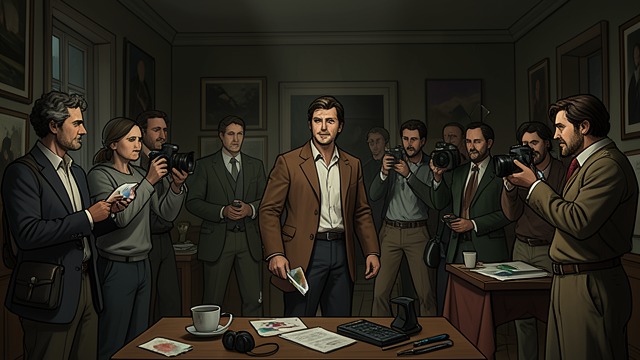
The Factory circle forms
Warhol’s early circle brought together artists, performers, filmmakers, musicians, and people seeking a place in New York’s underground.
The group’s work blurred art, friendship, performance, and everyday survival.
A temporary identity
The Factory offered belonging, but membership did not guarantee long-term security or recognition.
Fame and Departure
Fame and Departure
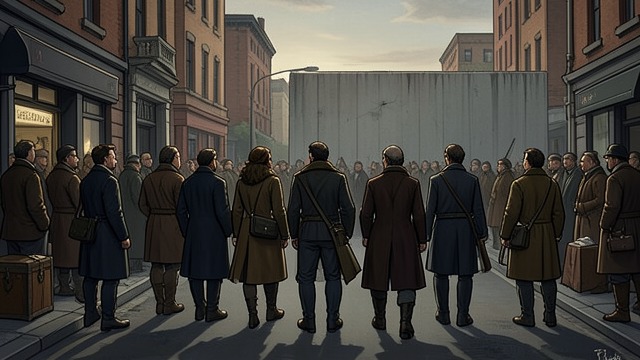
People take different paths
Some collaborators left New York, entered mainstream work, or built lives beyond Warhol’s daily circle.
Others remained close to the Factory, returned for projects, or drifted between the art world and precarious work.
A changing community
Warhol’s later diaries record these departures as a mixture of curiosity, affection, disappointment, and gossip.
Old Friends Reappear
Old Friends Reappear
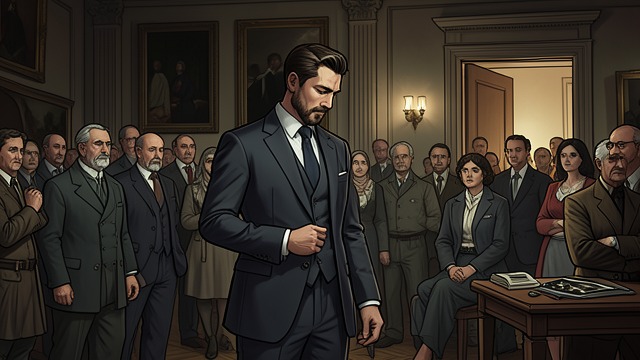
Past relationships return
Former collaborators and superstars resurfaced at openings, in interviews, and through old films or photographs.
Warhol often found their changed lives surprising, especially when people reinvented themselves or claimed a new version of their history.
Memory becomes a meeting place
The past kept returning through physical encounters and stories that contradicted one another.
Loss and Vanishing
Loss and Vanishing
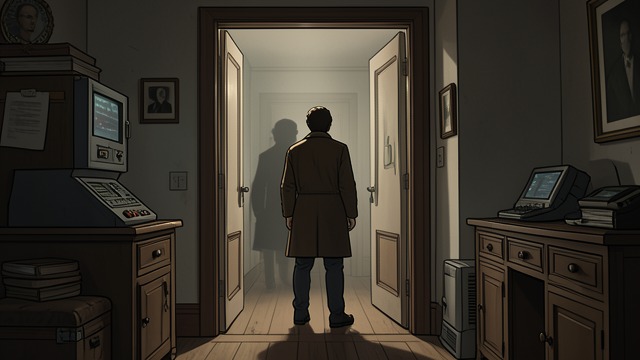
The circle thins
People from the underground died, became ill, moved away, or disappeared from Warhol’s everyday life.
Each loss made the old community feel more distant and fragile.
The archive remains
Warhol’s photographs, tapes, and diary entries preserved fragments of people whose lives had changed or ended.
A Community Remembered
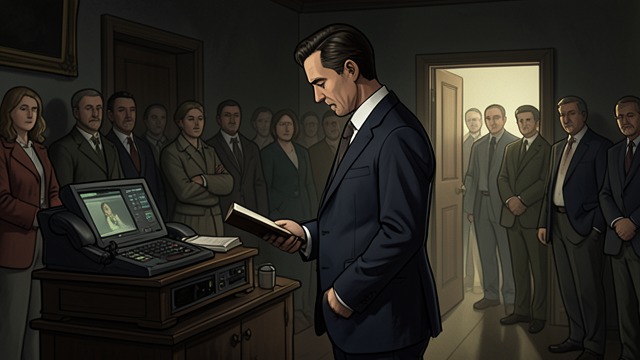
A Community Remembered
Stories compete
Books and media projects reframed the Factory years, sometimes with the participation of former insiders and sometimes without Warhol’s approval.
Warhol reacted strongly to portrayals he believed were unfair or fabricated.
Memory resists closure
The former community never settled into one story; it remained a contested collection of voices, images, and unfinished claims.
1960s
Late 1960s–1970s
1970s–1980s
1980s
1985–1987
